Support


One of the key concepts in the field of digital assets has become the non-custodial method of storing cryptocurrency. Unlike centralized services, where the user transfers control to a third party, such a wallet provides the owner with direct access to assets. For customers who regularly make exchanges or are looking for favorable rates, not only the choice of wallet but also the method of interaction with exchangers plays an important role. The Obmify exchange monitoring service helps find reliable platforms based on reputation, commissions, and transfer conditions, which is especially important when working with a non-custodial crypto wallet. Users manage their funds themselves and must understand how to protect them properly and where to transfer them.
What is a non-custodial cryptocurrency wallet?
A non-custodial wallet is a software or hardware tool that allows users to store the access key to their assets themselves. Such a wallet does not transfer data to third parties and does not store it on a centralized server. Management is carried out directly through interaction with the blockchain network. The main feature is that the key and seed phrase are exclusively held by the user. The owner is responsible for their safekeeping, and if the key is lost, it will be impossible to restore access. That is why security is a critical factor when choosing a non-custodial wallet. This type of wallet allows you to generate a unique address for receiving funds and sign each transaction with a private key. All data is encrypted locally, and the system does not store user information on external servers. It is important to understand that a non-custodial wallet provides complete control over assets. Unlike custodial options, where funds are placed in centralized service accounts, here the owner manages them directly. This increases the level of security but requires careful attention to the storage of seed phrases and backup data.
What types of non-custodial wallets are there?
Non-custodial solutions are conventionally divided into several main categories depending on the method of data storage and the format of interaction with the blockchain. Despite the differences, any non-custodial wallet requires the user to store the key themselves and be responsible for the security of their seed phrase. Among the most popular are:
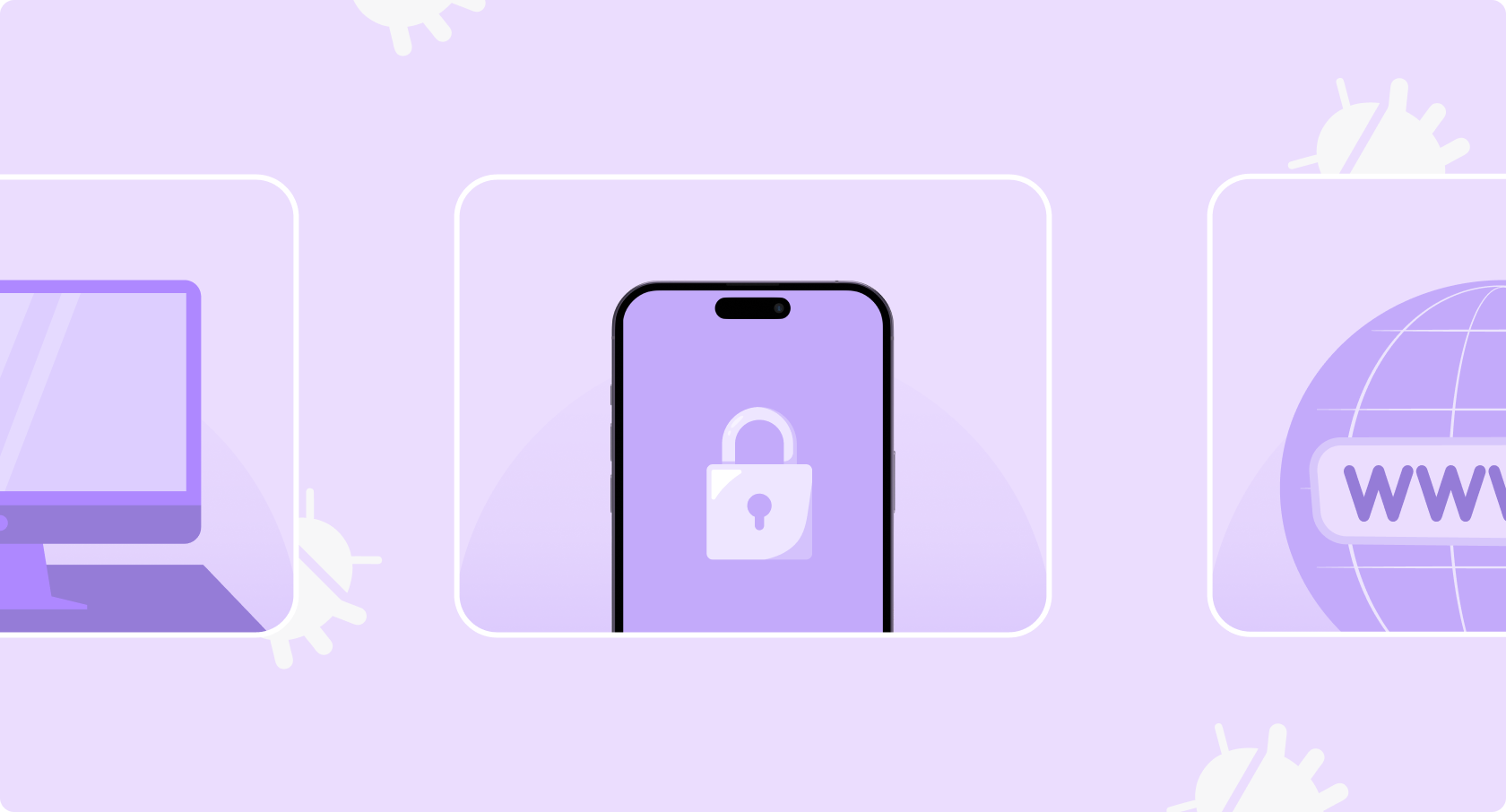
- Software wallets. The most common option, implemented as a mobile or desktop application. This type of wallet is installed on the user’s personal device: smartphone, tablet, or computer. During the initial setup, the system automatically generates a seed phrase, which is used to create a unique key for signing transactions. This key confirms each transaction on the blockchain network. Mobile wallets are convenient for everyday use, quick transfers, and interaction with decentralized services. Desktop versions are more often used for more complex asset management, connecting to nodes, or integrating with hardware devices. The advantage of software solutions is their ease of installation and accessibility. At the same time, the level of security depends on the security of the device. Viruses, phishing, or data leaks can compromise the key, so it is important to use reliable protection methods and store the seed phrase outside the digital environment.
- Hardware wallets. These are physical devices designed for offline storage of cryptographic data. In this format, the key never leaves the device and is not transmitted directly to the Internet. When the user initiates a transaction, the data is transferred to the device, where the transaction is signed locally. This significantly increases security, because even if the computer is infected with malware, the attacker cannot access the private key. Hardware non-custodial wallets are considered one of the safest options for long-term storage of large amounts. However, they require careful handling: losing the device without a saved seed phrase will mean losing access to your funds. Therefore, backing up the phrase is mandatory.
- Browser wallets and extensions. A separate category that works as a browser extension and allows direct interaction with decentralized applications. Through such a wallet, users can connect to smart contracts, participate in DeFi protocols, and manage tokens. During the first launch, a seed phrase is also generated and a key is created for signing transactions. Browser solutions are convenient for active use but are more vulnerable to phishing attacks. Therefore, security depends on the user’s attentiveness and adherence to basic digital hygiene rules.
There are also multi-platform wallets that combine mobile, desktop, and browser formats in a single interface. Regardless of the implementation, any non-custodial wallet requires independent key storage and mandatory seed phrase protection. When choosing, it is worth considering the supported networks and tokens, the convenience of the interface, additional features, and the level of built-in protection. Some solutions support multisig, where multiple keys are required to confirm a transaction, which further increases security.
How to determine whether a wallet is custodial or not?
The type of wallet can be determined by the access principle. If the service stores keys and allows you to restore access via email or a standard procedure, it is a custodial model. In a non-custodial wallet, the user receives a seed phrase during creation and must store it independently. It is also important to pay attention to control over assets. If the company can block an account or suspend transactions, it is a centralized format. In a non-custodial system, the user signs each transaction themselves and has complete control over the funds.
How to determine whether a wallet is custodial or not?
The type of wallet can be determined by the access principle. If the service stores keys and allows you to restore access via email or a standard procedure, it is a custodial model. In a non-custodial wallet, the user receives a seed phrase during creation and must store it independently. It is also important to pay attention to control over assets. If the company can block an account or suspend transactions, it is a centralized format. In a non-custodial system, the user signs each transaction themselves and has complete control over the funds.

What type of crypto wallet should you choose?
The choice depends on your goals. For active trading on the exchange, a custodial format is more convenient due to its integration with the trading platform. For long-term storage of assets, a non-custodial wallet is more rational, as it provides complete control over funds, increases security, and reduces dependence on third parties.
The use of non-custodial solutions in combination with monitoring services allows you to make transfers more securely and find favorable exchange rates. The user gains autonomy and transparency of operations while retaining control over their digital capital.