Support



The rules for working with cryptocurrency have changed in Europe, and some exchanges have now stopped supporting USDT. Many users are worried that they won’t be able to sell their coins or withdraw their money. But it’s worth clarifying: there has been no outright ban on this cryptocurrency. Europe has introduced new rules for crypto companies, which have led to restrictions on buying, selling, and other services.
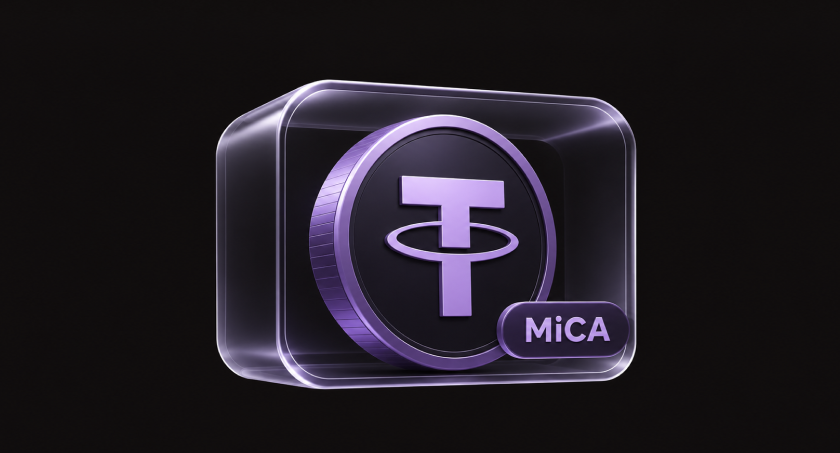
Why Has USDT Faced Restrictions in Europe?
The main reason is the MiCA law, which came into effect for stablecoins in the summer of 2024. Europe now has rules requiring companies that issue digital money to obtain the necessary authorizations and comply with legal requirements. If a cryptocurrency is pegged to traditional money, the company must explain what backs the coins and how holders can redeem their funds. USDT is issued by Tether, which has not obtained the authorization required under MiCA, so restrictions on transactions involving the coin have appeared on European exchanges. However, the ban applies to certain services offered by crypto companies, not to ownership of digital assets. If someone has already bought USDT, their funds do not disappear simply because the rules have changed.
Is USDT really banned throughout the European Union?
There is no blanket ban on owning Tether in the European Union. In Europe, restrictions have been placed on companies that offer services involving coins that do not meet MiCA requirements.
The European regulator ESMA requires certain services involving these stablecoins to be discontinued. As a result, trading may be banned on one platform even though the cryptocurrency itself continues to exist. For example, if an exchange removes USDT from its list of available trading pairs, users will no longer be able to buy or sell it in the usual way.
However, these restrictions do not mean that holding the coins automatically becomes illegal. It is important to distinguish between a ban on specific services and a complete ban on digital money. In addition, general rules for companies apply across Europe, but the availability of specific exchange services may vary depending on the user’s country.
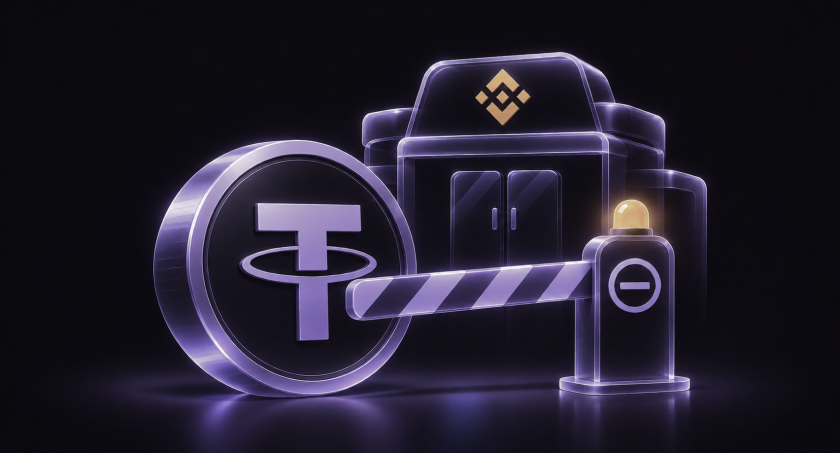
What has changed for USDT users on crypto exchanges?
After MiCA was introduced, some large platforms began removing trading pairs with USDT. For example, in spring 2025, Binance stopped supporting such pairs for European customers. This means the cryptocurrency is not available for regular trading through certain sections of the exchange. At the same time, some platforms initially retained the option to hold and withdraw coins. Later, the European regulator clarified the requirements for other cryptocurrency services, so restrictions may apply not only to buying and selling, but also to transfers through regulated companies. For an ordinary user, it’s simple: if USDT is no longer supported on an exchange, you need to check which actions involving it are still available.
Why doesn’t USDT meet MiCA requirements?
New rules apply in Europe to companies that issue stablecoins. Under the MiCA law, they must obtain the necessary authorizations, comply with reserve custody requirements, and ensure that coin holders can redeem their money.
The main requirements are as follows:
- A company must obtain the necessary authorization to issue stablecoins in the European Union and comply with local laws.
- The money backing the cryptocurrency must be held according to established rules to reduce the risk of losses.
- Coin holders must be able to redeem their value in accordance with the terms of European law.
- The company is required to provide information about its operations so that users understand whom they are entrusting their funds to.
Tether does not have the required authorization to offer USDT under MiCA rules, so European platforms face restrictions when working with this coin. USDC, on the other hand, is issued by Circle, which has obtained the corresponding authorization in Europe. Therefore, this cryptocurrency may be offered by regulated services under MiCA rules. But this does not mean that USDC is completely protected from any problems; it simply means that European countries allow services involving it to be provided in compliance with the established requirements.
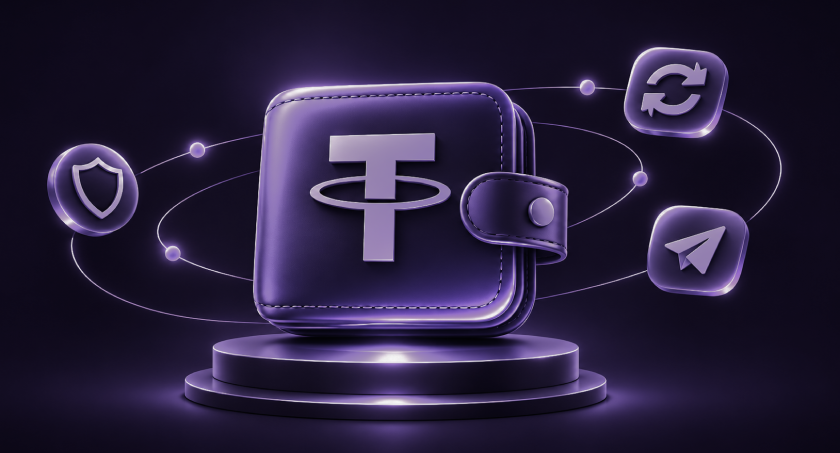
What to do if you already have USDT in Europe: how to store, exchange, and transfer it between wallets?
If you have any digital dollars left, first check your exchange’s rules. A ban on certain transactions doesn’t mean you need to sell your USDT or transfer all your money immediately. If the platform no longer supports the coin you need, find out whether you’re allowed to withdraw it to your own wallet. It’s important to keep in mind that transfer restrictions may vary from one service to another.
A cryptocurrency wallet can be used for storage, where you control access to the funds yourself. But before sending, you must always check the network and recipient address, since an erroneous transfer usually cannot be reversed. If you need to exchange it for another cryptocurrency, choose a platform that legally provides this service in your country. Do not turn to dubious exchanges just because they promise to get around European rules. Some USDT holders are considering switching to USDC, especially if they intend to use European exchanges. But before buying, it is best to compare rates and fees, since exchange terms may differ. It is worth remembering that a ban on certain services does not make someone a lawbreaker simply for holding Tether. However, Europe continues to monitor companies’ operations, so conditions may change. If the cryptocurrency is already in your wallet, do not make hasty decisions in response to sensational news. It is better to check the available options and make sure the service you choose operates in accordance with the current rules.
The main thing to understand is this: Europe has not imposed a complete ban on owning Tether, but it has introduced serious restrictions for companies that work with this coin. So USDT still exists, and owners still hold the cryptocurrency. It’s just that some familiar ways of buying, selling, and transferring it are now unavailable on European platforms.
For informational purposes only. Nothing here constitutes financial, investment, legal, or tax advice. Crypto-assets carry significant risk, including total loss. Seek independent professional advice before acting. see Risk Disclosure & No-Advice Notice.